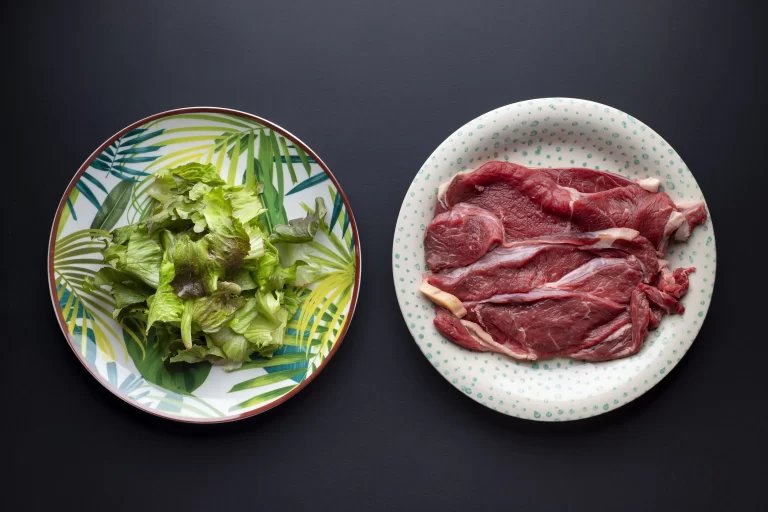
NO Veggies, Just Meat? I Tried the Carnivore Diet… Here’s the Truth
 Reading Time: 3 minutes
 The carnivore diet has been gaining attention as a radical approach to eating—one that excludes all plant-based foods and focuses exclusively on animal products. As someone passionate about nutrition and wellness, I decided to give it a try myself. What was it really like to eat nothing but meat, fish, eggs, and some dairy? And what did I learn along the way?
What Exactly Is the Carnivore Diet?
The carnivore diet is an extreme elimination diet that cuts out all fruits, vegetables, grains, legumes, and processed foods. Instead, it centers entirely around animal foods such as beef, pork, chicken, fish, eggs, and some dairy products like cheese and butter. Advocates say this diet can help with a range of health issues—from weight loss and reducing inflammation to improving mental clarity and digestive health.
However, the carnivore diet is controversial. Critics point out concerns about nutrient deficiencies, lack of fiber, and potential long-term health risks.
My Motivation for Trying the Carnivore Diet
I’ve always been curious about how different diets impact the body. After hearing so many testimonials about the carnivore diet, I wanted to experience it firsthand. I was especially interested in understanding claims around reduced inflammation and mental sharpness. Plus, as someone who speaks Japanese and appreciates cultural food traditions, it was fascinating to test how a single-food-group diet compares to the diversity we often celebrate in cooking.
My Journey on the Carnivore Diet
For several weeks, I ate only animal-based foods. Here’s what I noticed:
- Initial Energy Boost: The first few days were surprisingly energizing. Cutting out carbs and sugar led to more stable blood sugar levels and less energy crashes.
- Reduced Bloating: I felt less bloated and my digestion seemed simpler without the complexity of fiber and plant compounds.
- Missing Variety: As time went on, I realized how much I missed the flavors, textures, and nutrients from fruits and vegetables.
- Digestive Challenges: The absence of fiber brought on some constipation, reminding me how important plant foods are for gut health.
- Mental Clarity: I did experience moments of clearer thinking and focus, but it wasn’t consistent.
- Social Challenges: Eating such a restrictive diet made social outings and dining with friends more complicated.
What About Nutrients and Fiber?
One of the biggest concerns with the carnivore diet is missing out on essential nutrients typically found in plants—like vitamin C, fiber, and antioxidants. While animal products are rich in protein, iron, and some vitamins, they lack fiber, which is crucial for digestive health and gut microbiome diversity.
During my experiment, I learned how important it is to listen to your body. Everyone’s nutritional needs are different, and what works for one person may not work for another.
Final Thoughts: Is the Carnivore Diet Right for You?
While the carnivore diet offers some benefits, especially for those with specific autoimmune or digestive issues, it may not be sustainable or optimal for everyone. For me, a balanced approach that includes both high-quality animal proteins and a variety of fruits and vegetables feels the healthiest and most enjoyable.
If you’re considering the carnivore diet, I recommend consulting a healthcare professional or nutritionist to ensure you’re meeting all your nutritional needs safely.
Want to hear more about my experience and the science behind the carnivore diet? Check out my full video here: