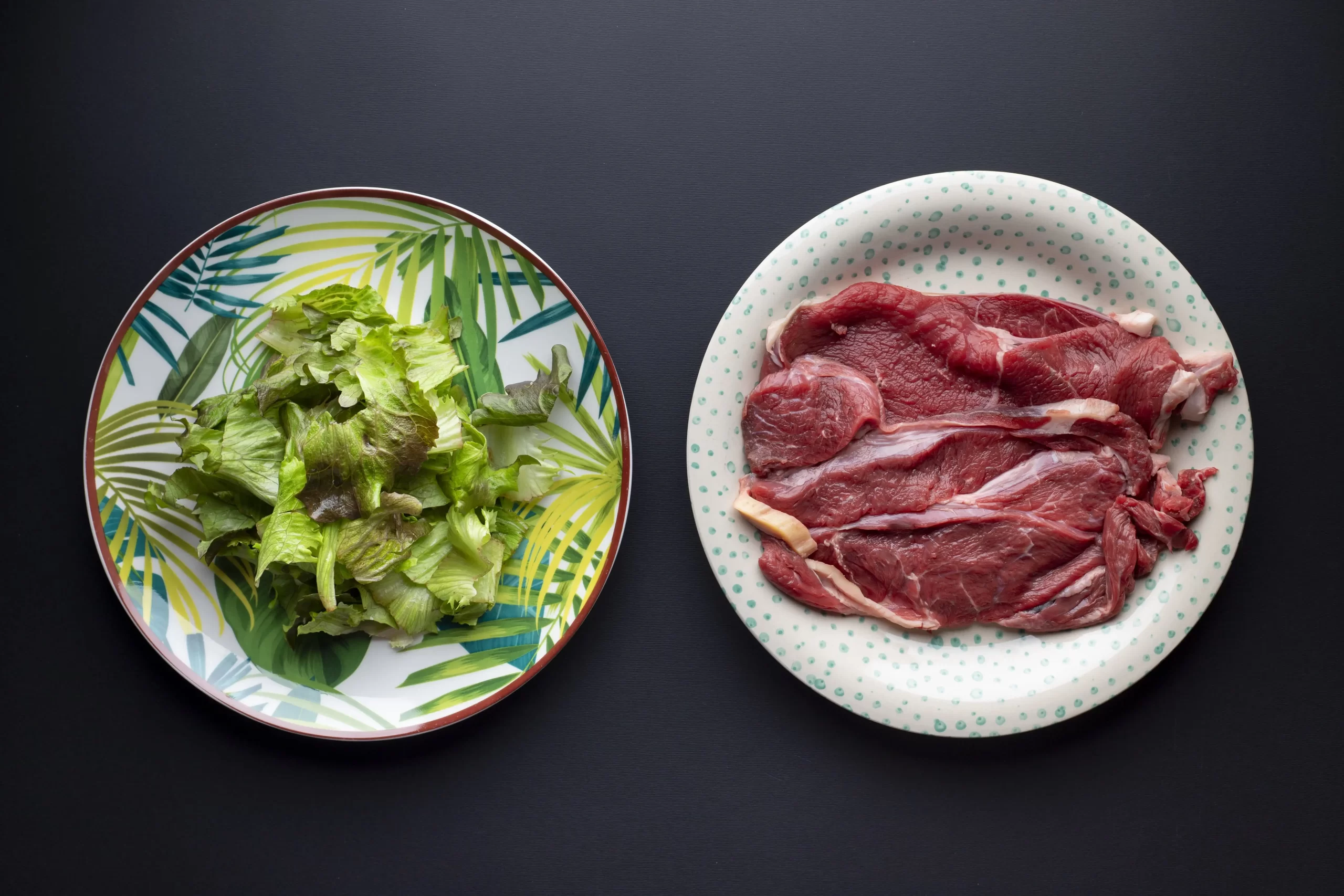
Why Veggies Are Banned on the Carnivore Diet
 Reading Time: 2 minutes
 As someone who’s always been curious about nutrition and wellness, I recently delved into the carnivore diet—a regimen that involves consuming only animal-based foods. One of the most intriguing aspects I encountered was the claim that vegetables are “banned” on this diet due to certain compounds they contain. But is this true? Let’s explore the science behind this assertion.
The Role of Antinutrients in Vegetables
Many proponents of the carnivore diet argue that vegetables contain antinutrients—compounds that can interfere with the absorption of essential nutrients or cause digestive issues. Some of these include:
- Lectins: Found in beans and grains, lectins can bind to the gut lining and potentially disrupt nutrient absorption.
- Oxalates: Present in foods like spinach and rhubarb, oxalates can bind to calcium and form kidney stones in susceptible individuals.
- Glucosinolates: Found in cruciferous vegetables like broccoli and cabbage, these compounds can interfere with thyroid function when consumed in large amounts.
While these compounds can have negative effects, it’s essential to understand that for most people, consuming vegetables in moderation doesn’t pose significant health risks. The benefits of eating a variety of vegetables—such as providing essential vitamins, minerals, and fiber—often outweigh the potential downsides.
The Carnivore Diet’s Perspective
Advocates of the carnivore diet suggest that eliminating plant-based foods can lead to various health benefits, including reduced inflammation, improved mental clarity, and better digestive health. They believe that by removing antinutrients found in vegetables, the body can function optimally on an all-animal-based diet.
However, it’s crucial to note that scientific research on the long-term effects of the carnivore diet is limited. While some individuals report positive outcomes, more extensive studies are needed to fully understand the implications of such a restrictive eating pattern.
Striking a Balance
Rather than completely eliminating vegetables, many nutrition experts recommend a balanced approach. Incorporating a variety of nutrient-dense plant foods into your diet can provide numerous health benefits without the need for extreme dietary restrictions.
If you’re considering making significant changes to your diet, it’s always best to consult with a healthcare professional or registered dietitian. They can provide personalized advice based on your individual health needs and goals.
For a more in-depth discussion on this topic, check out my full video below: